
Knowing the dental implant healing stages can make the months between surgery and your new tooth feel much more predictable. Dental implants are placed in steps, and each step gives your jaw bone and gum tissue time to settle before the next one begins.
At Definitive Dental, we take the time to explain each stage of your treatment plan before anything begins, so you know what to expect and when.
Quick Overview
- Dental implant healing happens in stages, starting with a few days of surface recovery and moving into a longer period where the bone slowly bonds with the implant.
- The first days after implant surgery are often the most noticeable, though how long discomfort lasts can differ from one person to the next.
- Most of the healing process takes place below the gum line, which is why the full timeline usually runs over several months rather than weeks.
- Bone quality, oral hygiene, smoking and general health can all affect how each stage progresses.
- Follow-up appointments help your dentist check healing progress and decide when the next step is suitable for you.
Below, we explain what happens at each stage, what may affect your recovery, and which signs are worth a call to your dentist.
What Are the Dental Implant Healing Stages?
The dental implant healing stages usually include early healing of the surgical site over the first one to two weeks, osseointegration (when the implant fuses with the surrounding bone) over about three months or longer, abutment placement and gum healing, and then crown fabrication and final crown placement.
A dental implant is a small titanium post that sits in the jaw bone where a tooth root used to be. Once the bone has grown around it, the post supports a prosthetic tooth, such as a dental crown. The bone usually takes around three months to grow around the implant, and the crown is often made while the implant site heals.
The stages overlap. Your gums can feel normal long before the bone underneath has finished its work. This is why the full dental implant process takes patience, even when you feel well.
Before Implant Surgery: Planning Your Treatment
Healing starts with good planning. At your initial consultation, your dentist will examine your mouth, take X-rays, and go through your medical history. This helps confirm whether you have enough bone to hold the implant, whether your gums are healthy, and whether any medical conditions or medicines could affect your recovery.
Some people need preparation first. If a damaged tooth is still in place, tooth extraction may be the first step. If the bone in the area is thin, a bone graft may be recommended to build it up. Both steps have their own healing time, which can add a few months before implant placement, depending on your situation.
Let your dentist know if you smoke, have diabetes or osteoporosis, have a bleeding disorder, have had gum disease, are having cancer treatment or are over 60. These factors don’t always rule implants out, but they can change how your treatment plan is set up and how closely your healing is monitored.
Dental Implant Healing Stages, Step by Step
Every treatment plan is different, but most people move through the stages below. Your dentist will tell you which ones apply to you and roughly how long each may take.
Stage 1: Implant Placement
Implant placement is usually done as minor surgery under local anaesthetic, so the area is numb during the procedure. Your dentist places the implant post into the jaw bone and closes the gum over or around it.
At this point, the implant is held in place by the tight fit between the post and the bone. This first grip is called primary stability, and it protects the implant while the bone begins to heal. Before you leave, you’ll receive aftercare instructions written for your surgical procedure. Keep them somewhere easy to find.
Stage 2: The First 72 Hours
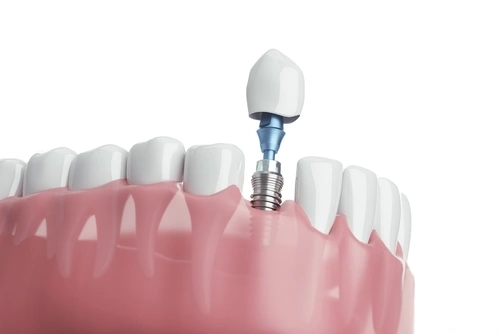
The first few days are when you’re most likely to notice the surgery. Common effects include some pain, swelling of the gums or face, minor bleeding from the surgical site, and bruising. A blood clot forms over the area, which is the body’s first step in protecting the implant site.
 Steps that may help during this stage include:
- Resting and avoiding strenuous exercise for the first day or two.
- Holding ice packs, wrapped in a cloth, on your cheek for short periods to help reduce swelling, if your dentist recommends it.
- Taking pain relief as advised by your dentist or pharmacist.
- Choosing soft foods and chewing on the other side of your mouth.
- Avoiding smoking, vaping and alcohol, which may slow healing.
Stage 3: The First One to Two Weeks
During this stage, the gums heal and close around the surgical area. In a 2021 study that tracked 40 people for a week after implant surgery, swelling was the slowest symptom to settle and became minimal after about five days. Pain and difficulty eating usually eased within about three days, and most people felt recovered within about four days. Implants placed at the front of the mouth were linked with eating difficulties for closer to a week.
These figures come from one small group, so your experience may be different. If you have stitches that don’t dissolve, your dentist will usually remove them at a follow-up appointment.
Keep eating soft foods during this time, and clean the area exactly as your dentist directs. You may be asked to use a mouthwash instead of brushing or flossing directly over the wound for the first two to three weeks.
Stage 4: Osseointegration
Osseointegration is the stage where the implant fuses with the surrounding bone. It’s the longest part of dental implant healing, but you usually won’t feel it happening.
Over time, the mechanical grip created at surgery is joined by a biological bond, as new bone forms on the implant surface and creates what’s called secondary stability.
For many people, this stage takes around three months. It can take longer in the upper jaw, where bone density is often lower, or after a bone graft. Depending on where the implant is, you may wear a temporary tooth during this time. Your dentist may take X-rays at follow-up appointments to check how the implant is settling.
Stage 5: Abutment Placement and Soft Tissue Healing
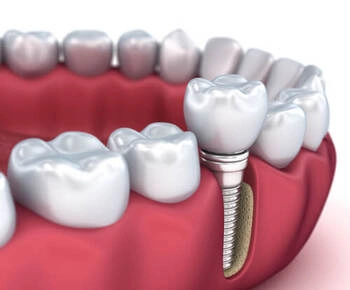 Once the implant is stable, the next step is abutment placement. The abutment is a small connector that joins the implant post to the final tooth. In some cases, it’s attached at the time of surgery. In others, a short second procedure is needed to uncover the top of the implant.
If a second procedure is needed, the gums usually take a couple of weeks to heal around the abutment. This soft tissue healing shapes the gum line, so the final crown can sit evenly beside your natural teeth.
Stage 6: Crown Fabrication and Final Crown Placement
With the gums healed, your dentist takes impressions or digital scans so the dental crown can be made to suit your bite and the colour of your nearby teeth. Crown fabrication is usually done by a dental laboratory.
At the final crown placement appointment, your dentist fits the crown, checks your bite and makes any small adjustments. This completes the restorative dentistry part of treatment, and the implant can return to everyday chewing. You can read more about how we approach crowns and bridges.
Dental Implant Recovery Timeline at a Glance
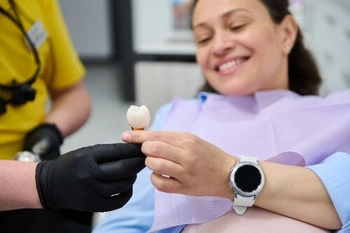 The timings below are a general guide only. Your own dental implant recovery timeline depends on your bone, your health and the details of your treatment.
Before treatment, your initial consultation covers an examination, X-rays, a review of your medical history and your treatment plan. If you need a tooth extraction or bone graft first, the area is usually given a few months to heal and for the bone to build up before the implant is placed.
On the day of surgery, the implant post is placed under local anaesthetic. Over the first three to five days, swelling, tenderness and minor bleeding usually settle, and within the first one to two weeks, the gum tissue closes around the surgical site.
Osseointegration follows, with the implant fusing to the jaw bone over around three months, and sometimes longer. Once that stage is complete, the abutment is attached, and the gums heal around it. When the gums have healed, your custom crown is fitted, and your bite is checked.
What Affects Implant Healing?
Several factors can change how quickly and smoothly your implant heals:
- Bone quality and density: Denser bone often gives the implant a firmer starting grip. Softer bone, or bone that has been grafted, may need more time.
- Oral hygiene: Bacteria around the implant site can lead to infection. Keeping the area clean, as directed, helps prevent infection and supports proper healing.
- Smoking and vaping: Both can reduce blood flow to the gums and are associated with delayed healing and a higher risk of implant failure.
- Overall health: Medical conditions such as diabetes or osteoporosis, and medicines that affect bone or bleeding, can change your healing timeline.
- Implant location: Implants in the upper jaw or at the front of the mouth may take longer to settle or feel more noticeable while eating.
- Pressure on the implant: Chewing hard food on the implant too early, or grinding your teeth at night, can disturb the bone while it heals.
- Following aftercare instructions: Attending follow-up appointments and following your dentist’s advice gives each stage the best conditions to progress.
How to Care for Your Implant Site During Recovery
Proper care during each stage helps promote healing and protects the implant while the bone bonds with it. Your dentist’s instructions come first, but these general tips may help.
In the first few days
Eat soft foods such as yoghurt, scrambled eggs, mashed potato, soft fish and lukewarm soup. Avoid very hot drinks, crunchy or chewy foods, and drinking through a straw, as suction may disturb the blood clot. Keep your head slightly raised when resting, and use ice packs on the cheek if your dentist suggests them.
Over the first few weeks
Brush the rest of your teeth as normal, taking care around the surgical area. Rinse as directed, and gradually return to firmer foods once your dentist says it’s suitable. Avoid smoking for as long as possible, ideally for the whole healing period.
Once your final crown is fitted
Look after your implant the same way you look after your natural teeth. Implants can’t get tooth decay, but the gum and bone around them can still be affected by gum disease. To maintain good oral hygiene, brush twice a day, clean between the implant and your other teeth with floss, interdental brushes or a water flosser, and keep up regular dental check-ups. Good oral hygiene supports both your implant and your overall dental health.
When to Contact Your Dentist
Some discomfort is expected in the first few days. Contact your dentist immediately if you notice any of the following:
- Bleeding that doesn’t slow after you apply gentle pressure with clean gauze.
- Swelling that gets worse after the third day instead of better.
- Pain that persists or increases instead of easing.
- Fever, pus, a bad taste or a bad smell from the surgical site.
- A loose implant, or a temporary tooth that moves.
- Numbness in your lip, chin or tongue that continues after the local anaesthetic has worn off.
A Considered Approach to Dental Implant Healing
Every implant heals on its own timeline. Your bone, gums, general health and daily habits all play a part, and individual outcomes vary. Knowing what each stage involves, following your dentist’s advice and keeping your follow-up appointments can all support your recovery.
At Definitive Dental, we talk you through each stage of the dental implant process before treatment begins and check your healing progress along the way, so you’re never unsure about what comes next. If you’d like to find out whether dental implants may be suitable for you, or you have questions about an implant you’ve already had placed, please call our team on (02) 6105 9838 or get in touch through our contact page.
Any surgical or invasive procedure carries risks. Before proceeding, you should seek a second opinion from an appropriately qualified health practitioner.
Frequently Asked Questions
How long do the dental implant healing stages take?
For many people, the full process takes around three to six months from implant surgery to final crown placement. The gums usually heal within one to two weeks, while the implant fuses with the bone over about three months. A tooth extraction or bone graft beforehand can add a few more months, depending on your situation.
What can I eat after dental implant surgery?
For the first few days, stick to soft foods such as yoghurt, eggs, mashed vegetables, soft fish and lukewarm soup. Avoid hard, crunchy, sticky or very hot foods, and chew on the other side of your mouth. Your dentist will let you know when it’s suitable to return to your usual diet.
How do I know if my dental implant is healing properly?
Swelling and tenderness that gradually ease over the first week are usually signs that initial healing is on track. Bone healing can’t be felt, so your dentist may check it with an examination and X-rays at follow-up appointments. Worsening pain, swelling, pus, fever or a loose implant should be checked by your dentist promptly.
Is it normal for a dental implant to hurt weeks after surgery?
Most discomfort settles within the first week. Pain that persists for several weeks, or that returns after easing, isn’t typical and may point to infection or a problem with healing. Contact your dentist so they can assess the implant site.
Can I brush my teeth after dental implant surgery?
Yes, you can usually keep brushing your other teeth from the day after surgery, taking care around the implant site. You may be asked to rinse with a mouthwash rather than brush or floss directly over the area for the first two to three weeks. Follow your dentist’s aftercare instructions, as advice can differ for each surgical area.
References
- Healthdirect Australia. Dental implant procedure. https://www.healthdirect.gov.au/dental-implant
- Kahn A, Masri D, Shalev T, Meir H, Sebaoun A, Chaushu L. Patients’ Perception of Recovery after Dental Implant Placement. Medicina. 2021;57(10):1111. https://pmc.ncbi.nlm.nih.gov/articles/PMC8538387/
- Kligman S, Ren Z, Chung CH, et al. The Impact of Dental Implant Surface Modifications on Osseointegration and Biofilm Formation. Journal of Clinical Medicine. 2021;10(8):1641. https://pmc.ncbi.nlm.nih.gov/articles/PMC8070594/
- Mustapha AD, Salame Z, Chrcanovic BR. Smoking and Dental Implants: A Systematic Review and Meta-Analysis. Medicina. 2021;58(1):39. https://pmc.ncbi.nlm.nih.gov/articles/PMC8780868/
- Australian Dental Association. Dental implants. Teeth.org.au. https://teeth.org.au/dental-implants